

At Dr Tom Abortion Clinic, we provide comprehensive contraception advice and family planning services to help you take control of your reproductive health. Choosing the right contraceptive method is an important decision that affects your health, lifestyle, and future plans. Our experienced healthcare providers are here to guide you through all available options, helping you find the contraceptive method that best suits your individual needs, preferences, and medical situation.
We understand that every woman's contraceptive needs are unique. Factors such as your age, health status, lifestyle, relationship status, future pregnancy plans, and personal preferences all play a role in determining which contraceptive method is right for you. Our team takes the time to understand your circumstances and provide personalized recommendations based on your specific situation. We believe in empowering women with knowledge and choice when it comes to their reproductive health.
There are many different types of contraception available, each with its own benefits, effectiveness rates, and potential side effects. The main categories include hormonal methods (pills, patches, injections, implants), intrauterine devices (IUDs), barrier methods (condoms, diaphragms), natural family planning methods, and permanent sterilization. During your consultation, we'll explain each method in detail, discussing how it works, how effective it is at preventing pregnancy, and what you can expect when using it.
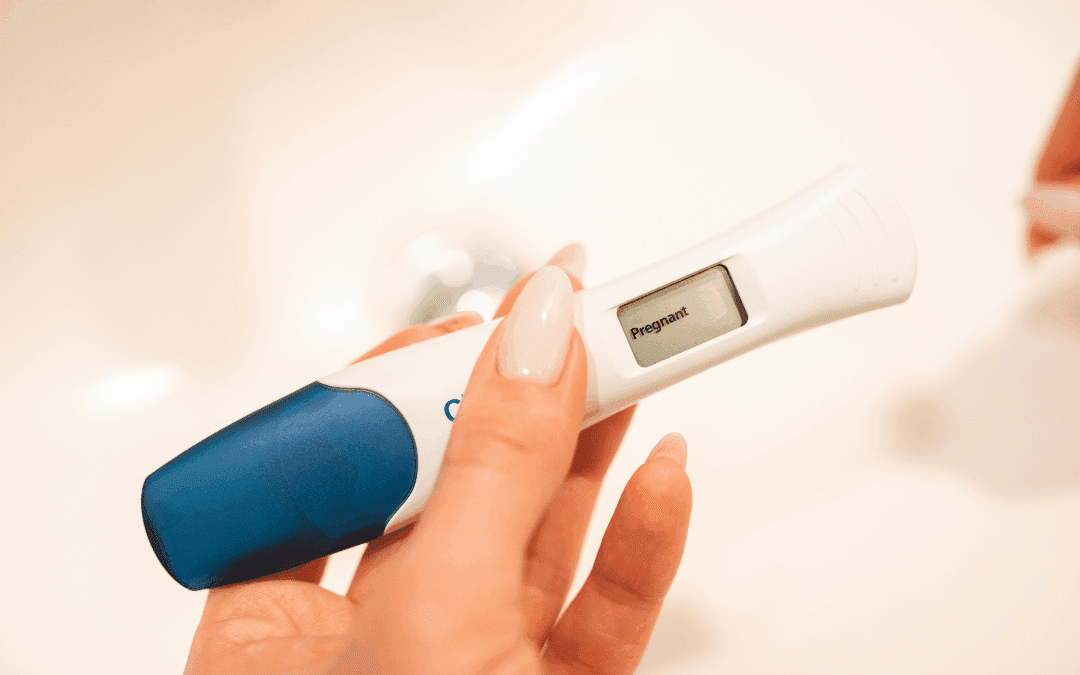

Effectiveness is an important consideration when choosing contraception. Some methods, like IUDs and implants, are more than 99% effective because they don't rely on you remembering to use them correctly. Other methods, like pills and condoms, can be highly effective when used perfectly but have lower effectiveness rates with typical use. We'll help you understand the difference between perfect use and typical use effectiveness so you can make an informed choice about which method will work best for you.
Hormonal contraceptives work by preventing ovulation, thickening cervical mucus to block sperm, or thinning the uterine lining. The most common hormonal methods include birth control pills, contraceptive patches, vaginal rings, injections (Depo-Provera), and hormonal implants. Each of these methods has different advantages and considerations. Pills require daily use, patches are changed weekly, rings are replaced monthly, injections are given every three months, and implants last for several years.
Hormonal contraception can offer benefits beyond pregnancy prevention, including lighter and more regular periods, reduced menstrual cramps, and improvement in acne. However, they may also have side effects such as mood changes, weight changes, or breast tenderness. Not all women can use hormonal contraception due to certain health conditions, so we'll review your medical history to ensure any hormonal method we recommend is safe for you.
Access to the most effective contraceptive options available
Tailored advice based on your health, lifestyle, and preferences
Follow-up care to ensure your chosen method works well for you
Long-acting reversible contraceptives, including IUDs and contraceptive implants, are among the most effective methods available. Once inserted, they provide continuous pregnancy protection for several years without requiring any daily action from you. IUDs are small T-shaped devices inserted into the uterus and can be either hormonal (lasting 3-7 years) or copper-based (lasting up to 10 years). The contraceptive implant is a small rod inserted under the skin of your upper arm that releases hormones and lasts for three years.
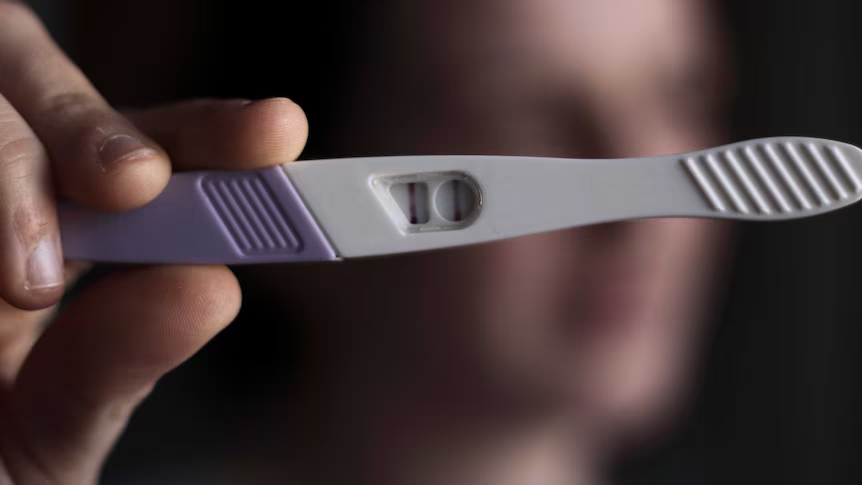


LARC methods are ideal for women who want highly effective, long-term contraception without the need to remember daily pills or make frequent clinic visits. They're also completely reversible – your fertility returns quickly after removal. We can insert IUDs and implants right here at our clinic, and the procedures are quick and relatively comfortable. Many women choose to have a LARC method inserted immediately after an abortion procedure for convenient, immediate contraception.
Barrier methods work by physically preventing sperm from reaching the egg. The most common barrier method is the male condom, which is also the only contraceptive method that protects against sexually transmitted infections (STIs). Female condoms, diaphragms, and cervical caps are other barrier options. While barrier methods are less effective than hormonal methods or LARCs at preventing pregnancy, they have no hormonal side effects and can be used on an as-needed basis.
We strongly recommend using condoms in addition to other contraceptive methods, especially if you have multiple partners or are at risk of STIs. This "dual protection" approach provides both pregnancy prevention and STI protection. We can provide information on proper condom use and where to obtain condoms, as well as discuss other barrier method options that might suit your needs.
Emergency contraception is used to prevent pregnancy after unprotected sex or contraceptive failure (such as a broken condom). There are two main types: emergency contraceptive pills (often called the "morning-after pill") and the copper IUD. Emergency contraceptive pills work best when taken as soon as possible after unprotected sex, ideally within 24 hours, though they can be effective for up to 72-120 hours depending on the type. The copper IUD can be inserted up to 5 days after unprotected sex and is the most effective form of emergency contraception.
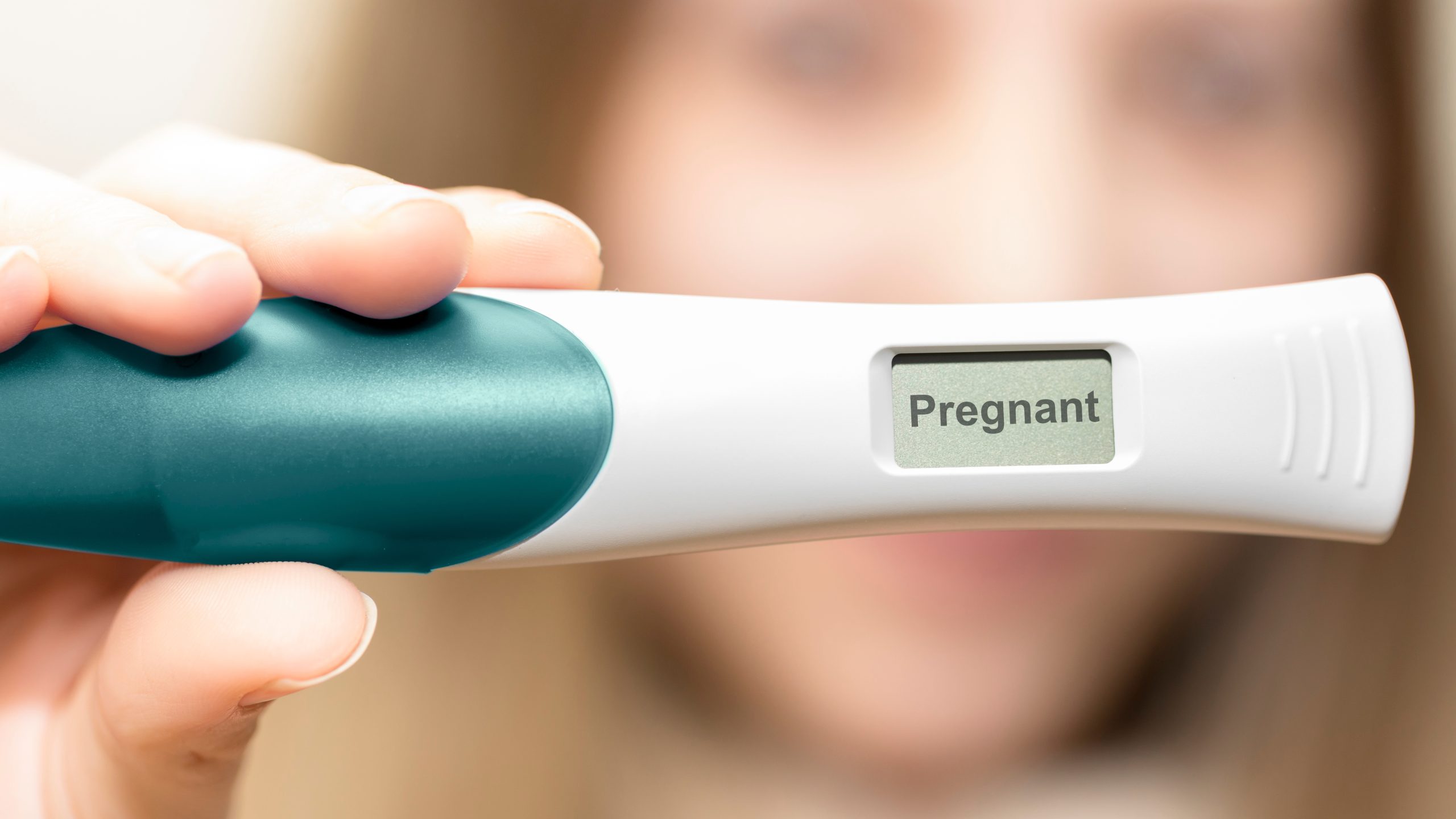

It's important to understand that emergency contraception is not intended for regular use and is less effective than regular contraceptive methods. However, it's a valuable option when needed. We can provide emergency contraception and help you establish a regular contraceptive method to prevent future unplanned pregnancies. Emergency contraception does not protect against STIs, so if you've had unprotected sex, we also recommend STI testing.
Natural family planning methods involve tracking your menstrual cycle to identify fertile days and avoiding unprotected sex during those times. These methods include tracking basal body temperature, cervical mucus changes, and calendar calculations. While these methods have no side effects and are acceptable to people who prefer not to use artificial contraception, they require careful monitoring and are less effective than other methods, especially with typical use.
If you're interested in natural family planning, we can provide education on how to track your fertility signs accurately and discuss the effectiveness and limitations of these methods. We can also introduce you to modern fertility tracking apps and devices that can help make natural family planning more reliable. However, we'll also ensure you understand that these methods require significant commitment and may not be suitable if preventing pregnancy is a high priority.
Selecting the best contraceptive method involves considering multiple factors. Think about how important it is to prevent pregnancy right now, whether you want to have children in the future and when, how comfortable you are with hormones, whether you need STI protection, how often you're willing to think about contraception, and what side effects you're willing to tolerate. Your medical history also plays a role, as certain health conditions may make some methods unsuitable.
During your consultation, we'll discuss all these factors with you and help you weigh the pros and cons of different methods. There's no single "best" contraceptive method – the best method for you is the one that fits your life, meets your needs, and that you'll use consistently. We encourage you to ask questions and express any concerns you have. Our goal is to ensure you feel confident and comfortable with your contraceptive choice.
Once you've chosen a contraceptive method, we'll help you get started. For methods like pills, patches, or rings, we'll explain exactly how to use them and when to start. For IUDs and implants, we can perform the insertion procedure at our clinic. We'll also discuss what to do if you miss a dose, experience side effects, or have any problems with your chosen method. Follow-up appointments are important to ensure your contraception is working well for you and to address any concerns.

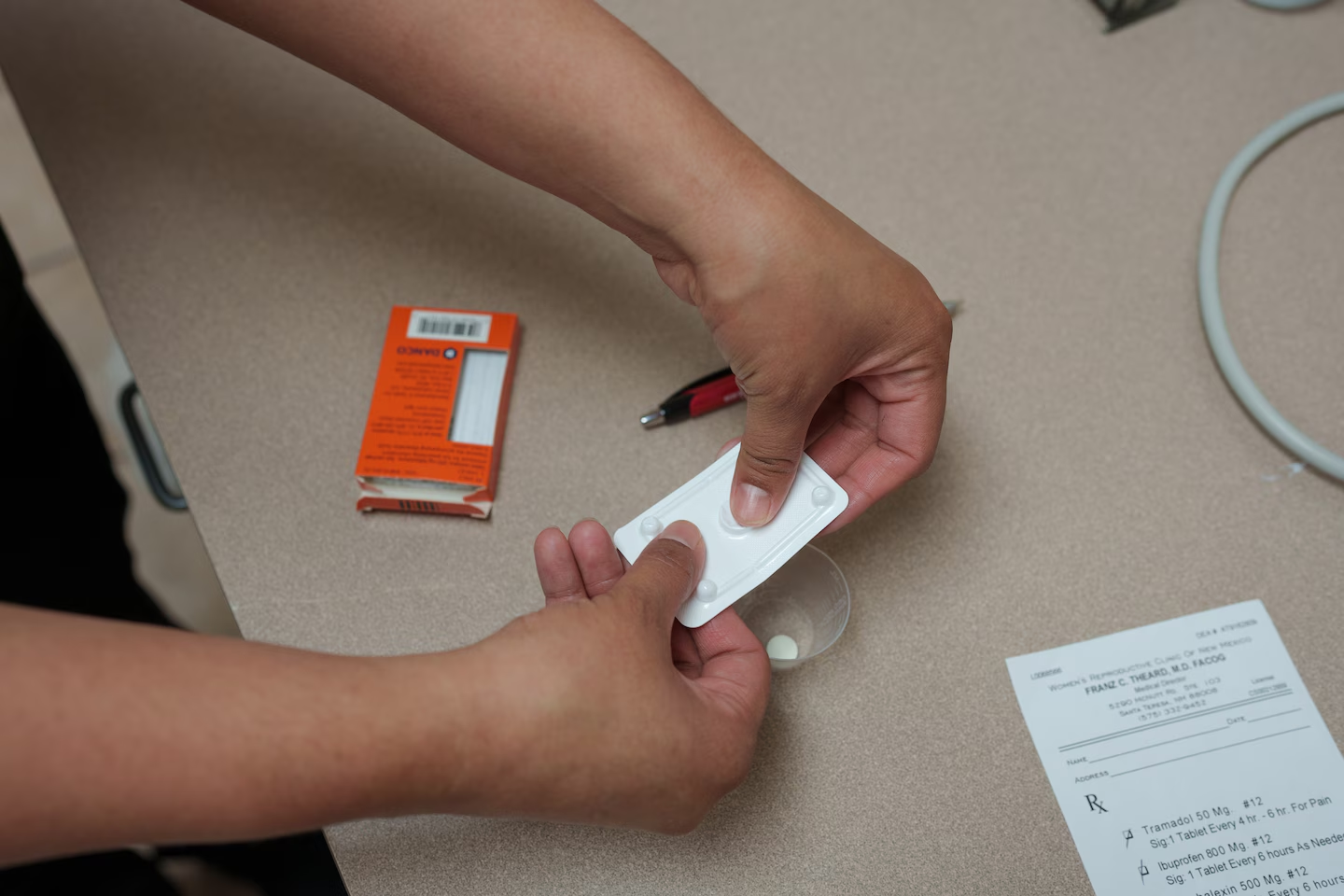
It's important to know that you can change contraceptive methods if your current one isn't working well for you. Many women try several different methods before finding the one that's right for them. If you're experiencing side effects, having difficulty using your method correctly, or your life circumstances have changed, we can help you switch to a different option. Your contraceptive needs may change over time, and we're here to support you through those changes.
After an abortion, you can become pregnant again very quickly, sometimes even before your next period. This is why it's crucial to start using contraception immediately if you don't want to become pregnant. Many contraceptive methods can be started right away after an abortion. IUDs and implants can often be inserted immediately after the procedure, providing instant protection. Pills, patches, and injections can also be started the same day. We'll discuss contraception with you as part of your abortion care and help you choose and start a method that works for you.
Starting contraception after an abortion is an important part of preventing future unintended pregnancies. We understand that you may have questions about which methods are safe to use after an abortion and when you can start them. Our team will provide clear guidance and ensure you leave our clinic with a contraceptive plan that gives you confidence and peace of mind about preventing pregnancy in the future.
Schedule a consultation to discuss your contraceptive options and find the best method for you.